The Sunday-Sorted Colour: Seven Autumn 2026 Shades for Busy UK Clients
Autumn 2026 has a particular mood about it: polished but practical, warm without being fussy, and very much built for people who have school runs, commutes and a full diary. At DB Hair, the question we hear most often is not “what is trending?” but “what will still look good in three weeks?” That is a far better starting point.
So this is not a colour chart round-up. It is a realistic shortlist of seven autumn shades that can survive real life in the UK — the rain, the central heating, the hard-water showers and the fact that most of us cannot pop into the salon every fortnight. Here is what to consider before you book.
Start With Your Week, Not the Swatch
Before you fall for a shade on screen, think about your actual routine. How often do you wash your hair? Do you use heat tools? Are you happy to use a tinted gloss at home, or do you want something that asks almost nothing of you? Low-maintenance colour is not one single thing. For one client it means a root shadow that blends regrowth; for another it means a gloss that fades gracefully rather than leaving a line.
Your skin tone matters, but so does your wardrobe, your working environment and how much visible upkeep you find relaxing rather than annoying. A colour that suits your lifestyle will always look more confident than one that fights it.
1. Soft Copper Gloss
Copper has been doing the rounds for a while, but the autumn 2026 version is softer and more translucent — less full-on ginger, more warm reflection. A gloss over a natural mid-brown or dark blonde gives a subtle lift without a harsh grow-out line. It is a good option if you want warmth near the face but do not want to commit to a full copper tint.
Be honest about fading, though. Copper molecules are notorious for slipping out of the hair, especially with frequent washing and hard water. Ask for a gentle aftercare plan, and expect a top-up gloss every six to eight weeks if you want to keep the shine.
2. Cool-Toned Brunette
Cool brunette is not new, but it remains one of the most wearable low-maintenance choices for UK clients. Think mushroom brown, soft ash and muted espresso rather than flat, blue-black. The trick is keeping enough depth and shine so it does not look muddy under grey skies.
Regrowth is usually kind here, particularly if your natural colour is already dark. A slightly warmer root melt can stop the colour looking too solid, and a quarterly gloss keeps the cool tone from turning brassy. If your hair is very fine, avoid going too flat — a little dimension around the face will stop the colour wearing you.
3. Muted Auburn
Auburn sits in the sweet spot between brown and red, which makes it feel autumnal without shouting. The 2026 take is muted and velvety, often with a brown base rather than a bright orange one. It flatters plenty of skin tones, especially those with warm or neutral undertones.
Maintenance-wise, auburn is mid-range. It fades less dramatically than bright copper, but red tones still need protection from UV, heat and repeated washing. Colour-safe shampoo and a weekly mask are not luxury extras here; they are what keeps the shade looking intentional.
4. Glossy Dark Chocolate
Dark chocolate is the quiet achiever of low-maintenance colour. If you are naturally dark, going one or two shades richer can make the hair look thicker and healthier without a dramatic change. Regrowth tends to be less obvious because the contrast is low, and the shine does most of the work.
One caveat: dark colour can look heavy if the cut is blunt and the hair is fine. Ask for a gloss finish and a shape that moves. Also, hard water can dull dark hair quickly, so a clarifying wash every so often — used sensibly — helps keep that glass-like finish.
5. Mushroom Blonde
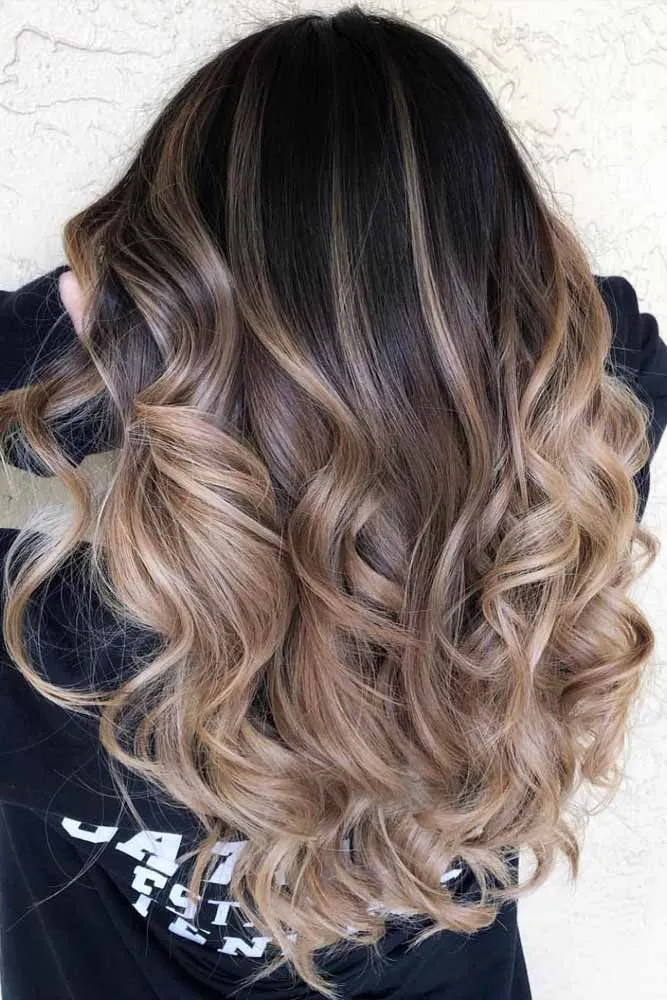
Mushroom blonde is a cool, beige-leaning blonde that looks expensive without looking high-maintenance. It works best as a low-contrast colour, with a soft root shadow and fine highlights rather than a full head of foils. That root shadow is your friend: it buys you time between appointments and makes regrowth look deliberate.
This is still a blonde, so it is not zero-maintenance. Toner will fade, and UK weather plus indoor heating can leave it looking a little parched. A gloss every eight to ten weeks and a bond-building treatment at home will keep it fresh.
6. Ash Bronde
Bronde — that blur between blonde and brunette — is still one of the most requested colour families in the salon, and the ash version feels very autumn 2026. It is particularly good if you want brightness around the face but do not want to be committed to a full blonde. Balayage or a soft highlight placement keeps the root area natural.
Because the contrast is gentle, regrowth is forgiving. The risk is over-cooling: too much ash can leave the complexion looking tired. A stylist should balance the tone with your skin, not simply follow a trend word.
7. Honey Beige
Honey beige is the warm counterpoint to all the cool tones — a soft, wearable blonde-brown hybrid that flatters neutral and warm skin tones. It is not the bright honey blonde of summers past; it is more muted and creamy, with a natural root.
This shade is low-maintenance in the sense that it fades softly rather than leaving a hard line. It still benefits from a gloss and a colour-safe routine, and it can turn brassy if your hair pulls warm. Ask your stylist to show you the toner plan before you commit.
The Regrowth Reality Check
Every colour has a regrowth story. The most forgiving options are usually those closest to your natural depth, those with a soft root shadow, and those that rely on gloss rather than heavy lightening. If you know you will not book a salon visit for three months, say so at consultation. A good colourist can build a plan around that honesty.
UK Weather, Hard Water and Fading
British weather is not kind to fresh colour. Rain, wind, central heating and UV all take a toll, and hard water in many UK postcodes can leave colour looking dull faster. Use a sulphate-free shampoo, do not over-wash, and add a weekly mask. If you swim, rinse before and after. These are small habits, but they make a visible difference.
Choosing for Skin Tone Without Overthinking It
You do not need to memorise colour theory. A simple rule: warm shades tend to flatter warm undertones, cool shades tend to flatter cool undertones, and neutral shades are the easy middle ground. But confidence matters more than a rulebook. If you love a shade and your stylist can adapt the depth and tone to your face, that is usually the right choice.
The DB Hair Take
The best autumn 2026 colour is not the one with the most likes. It is the one that still feels like you on a wet Tuesday morning, with ten minutes to get out of the door. Choose a shade that respects your routine, invest in the aftercare, and let the salon do the heavy lifting in the chair.
If you are unsure, book a consultation before a full colour appointment. Bring photos, yes — but also bring your calendar, your washing routine and your honest styling limits. That is how you leave with a colour that looks fresh for longer.